Maybelline Advert

- Enigma code of "Make it happen" creates the question "make what happen?" could also be left up to the viewers own interpretation of what they want to make happen
- The model's face takes up half of the shot which draws more attention to her face and especially her lips because of the red lipstick she has applied
- The other half of the shot is taken up by a rose and the lipstick itself to draw attention to the product itself
- The shot makes use of lighting by having all the lipsticks have a shine on them making them look more pristine and high quality
- The advert features different shades of red lipstick which the advert calls the "most passionate"
- One of the lipstick is dripping which emphasises the "creamier feel" of the lipstick
- The "New York" connotes the exciting lifestyle of living there
- The "Make it Happen" is encouraging the audience to make something happen and that Maybelline makes you feel more confident in doing that
- The choice of words to describe the lipstick: crispier, creamier passionate, sensational. These words were specifically chosen to make the product sound more attractive
Tide Advert

- The woman is depicted hugging the tide pods packaging with hearts above her head which connotes she is in love with it and women are in love with it in general
- The large red words are the first thing a viewer of this media product will probably read because of the way it is larger and a different colour from the other text
- The woman is dressed like a stereotypical housewife from the 50s that would do all the housework such as cleaning and cooking
- "Tide's got what women want!" connotes the fact that the target audience is females and this is further reinforced by the text at the top which suggests that only women buy this type of product
The primary audience for this advert is white women
This comic book style may appeal to a secondary audience of young girls
The advert connotes sexism since there is no mention or depiction of men in the advert
The women hanging up washing are using slang/informal language connoting that the advert is meant to be seen in a silly, informal way
The woman holding up the men’s trousers is symbolising that she is doing this for a man and she looks delighted to do it
Women are seen as childish with the lack of responsibility they have in this advert while men do the real work
Women aren’t as good as men is the ideology the advert is giving off
The woman on the right mentions the brand name and the product name which is quite odd thing to do
The advert is polysemic - has a lot of possible meanings
This advert has a extremely condescending mode of address
Coca Cola Advert
Gives off a relaxing lifestyle because of the woman resting her head on the table and smiling
The woman has messy hair connoting she is care free
The advert could be aimed at women because the model is a woman
A difference from the tide pod is that the coca cola advert doesn’t use any text
Claude Levi Strauss: Structuralism
How different cultures are structured
Binary- Two things which are the opposite of another
Binary Opposition - two concepts presented in direct opposition of each other. Strauss suggested our world is based on this
Dolce and Gabbana Advert

Binary Analysis
Fancy vs Street-wear
Young vs Old
Carefree vs Working
Definitions (advert, ideology)
Advert - The function of an advert is to sell a lifestyle
John Berger suggests that adverts will make you feel bad about your current life and try to sell you something that will make your life better
Ideology - An ideology is the beliefs and the values of a media product
The ideology of a media product comes from the producer of the media product
Dominant Ideology - the set ideas or culture that is most common or widely accepted in a society. It can change over time
Stuart Hall: Representation
A reconstruction of the world. The way a media product constructs the world and aspects in it, like social groups, real life events etc.
Everything we see in a media product is constructed
Who or what is being represented
How the representation is constructed with media language
What ideology is presented about the group
What is the societal impact on the group
What Stuart Hall argued was that representations can construct society
Captive audience - An audience that has to watch
What brands are being advertised
What is the target audience
What is the lifestyle being sold
What problems are presented
What people are being presented
What message about the group are being presented
How might this impact the group
Michelob Ultra Beer
White working class male
Only do things you enjoy
That working out and playing sports is difficult
Men and women
Avocado Mexico
Hard Rock Hotel
Super Genesis
Coca Cola Energy
Famous people
High class people
Middle class people
Rockstars
Binary opposition between John Cena and Jimmy
In Genesis advert, white people are seen as posh and arrogant
A lot of stereotypes
Non white people are represented as energetic and fun in the Hotel ad
Coca cola energy represents white people as lazy
White people are average and are seen as normal
Non white people are seen as different
Target audience is white people
Stereotypes - Dominant ideology - commonly held belief about a certain group of people
- There is an element of truth in stereotypes
- We generally tend to get them from media
- Allow us to recognise certain people in society
- Stereotypes are funny
- Allow audiences to identify characters
- Stereotypes can never be true
- Never can be truly positive
- Creates simplistic version of the world
- Sets false expectations
Richard Dyer - Role of stereotypes
- An ordering process
- A short cut (for producers)
- A reference point (for audiences)
- An expression of dominant societal values
Identity - the way we present ourselves to the world
This girl can, what about you?
- Lots of bright colours
- Lots of hard cuts between different workouts
- Quick pace
- Variation of shot types - close ups, wide shots
- Audience positioning
- Close ups of facial expressions - shows that they are putting effort in, hard-working
- Lots of sweat in the video to further evidence the hard work and power, could be also seen as gross
- Challenging the assumption that women aren't able to do sport
- Stereotypical assumption that women are supposed to be beautiful and attractive while they are doing a task, which the advert subverts
- The women aren't wearing makeup
- There is a range of body types
- Racially diverse
- 'Girls are powerful'
- Purpose of workout is to feel attractive
Pot Noodle Advert:
- Tissues on the floor, messy room, typical of a boy
- Poster of boxing which is also associated with males
- Damaged walls suggesting poverty
- The mise en scene of the first half is dark and gloomy
- Training in deprived, abandoned areas
- We see a stereotypical representation of up north
- Guy sleeping on couch in one shot to further support the idea of starting at the bottom
- The pot noodles have a connotation of helping you achieve your goals
- Inspirational, uplifting, piano and string, soundtrack
- Training montage - British take on Rocky
- Intertextuality - one media product makes reference to another media product
- Atmos is different
- It switches from monotone colours to bright lively colours
- His family looks stereotypically British working class
- Binary Opposition of Las Vegas and the North
- Binary Opposition of his family and Americans
- The family is represented as working class and is represented in a negative way
- Advert is targeted at working class people
- The close up shot of the old woman is anchorage of us supposed to be excited to see the guy on TV
- The guy being revealed as ring girl is supposed to be funny
- The black guy is stereotypically represented as a rapper
- The black guy connotes that black people are sexual
- The black guy licks his lips which is a proairetic code of wanting the ring girl
Charity Advertising:
- The purpose of them is to raise money for their cause
- They emotionally manipulate you into donating
- Direct mode of Address
- Conventions in an advert include showing distressing scenes
- Statistics of bad things
- A specific request for donation
- Directly positioned in the advert
NSPCC Advert:
- Adverts like this are normally shown on daytime television because it is much cheaper
- One of the primary audiences is old people, women, and unemployed/underemployed
- Sound effects of baby crying over soft, sad music
- Black and white colours connotes sadness
- Little stories and the victims are named to make them seem more human
- The group represented are children and they are represented as victims which is quite stereotypical
- Builds up the assumption that if we don't donate then these children don't get help
- We are being positioned as the abuser
Barnado's Advert:
- Cockroach in baby's mouth symbolises poverty
- The cockroach makes the audience feel bad
- Babies in poverty don't get silver spoons instead they get cockroaches
- This image creates the question of "Why is no one helping the baby?"


WaterAid TV Advert:


This is an unconventional charity advert
Proairetic code of her smiling showing she is happy with them getting water
Hermeneutic code answered because this shows that money being donated is helping
Symbolic code of the song she is singing connotes positivity and happiness
Atypical/non stereotypical representation of an African person
Her singing in english appeals to an english audience and they are far more likely to identify with her
The mise en scene of running water at the end is showing progression and establishes the idea of positivity
The buckets being colourful anchors the audience that this is a positive advert because of the bright colours
The people are shown smiling connoting positivity
The sun shining connotes a happy, warm place
This advert shows Africa as an escapist place
A binary opposition of England which is connoted as a rainy, depressing place and Africa as a happy, sunny place
The teenagers are represented as hard working in the advert which is an atypical representation since they are stereo-typically shown as lazy
This advert subverts the hegemonic norm that men do all the labour by showing women working in the field
A much more complex representation of women than in the Tide advert
The shots being focused on her face rather than her body humanises her instead of objectifying her
Paul Gilroy: Theories around Ethnicity and PostColonial Theory
Colonisation - a country forcing their rules and beliefs on another country
Paul Gilroy argues that we have subtle racial prejudices in UK and that they are encoded in media products
Hierarchy - A system that ranks individuals to who’s better than who
The White Saviour
Generalises that only white people help Africans
Adverts show a pathetic Africa which only a white citizen can help
Represents a post colonial ideology

Direct mode of address
Mise en scene of scared and sad expression on her face
She is shown looking helpless
Sweat on her forehead to show fatigue
Looking at us for help (the british audience)
The name given is a stereotypical British name which helps us identify with her
Her name humanises her (Use of Nancy)
The lexis “I’m 6 years old” connotes innocence
We are being positioned very close to her which helps anchor a feeling of sympathy
We are being positioned as the white, wealthy British audience
Binary opposition between us and them (she is sad and can’t help herself)
The hashtag is there to be shared around on Twitter and other social medias
Wateraid and Postcolonial Identities
In the UK we are living in a post colonial society.
The lifestyle being sold is a philanthropic one (helping other people out by donating)
You can get recognition for helping out other people
We like to help people because it helps us feel good about ourselves
We’re being positioned as a British audience
The home is a stereotypical British home
The target audience is working class people
What we get from the advert is the satisfaction of helping people
Genre:
- Gore - Saw
- Apocalyptic - Walking Dead
- Psychological - Get out
Steve Neale - Theories around Genre
- Genre allows audiences to identify
- To sort and make sense of media industries
- Beneficial to producers to identify trends
- Genres leads to a standardised product (identical products)

- The iconography mise en scene of the bats reinforces that it is a horror film and that it is a conventional vampire film
- Full moon which is a genre paradigm of a horror film
- Creepy castle in the background reinforces the idea of a horror movie
- Stereotypically attractive women functions as a generic paradigm suggesting romance elements
- Hybrid genre Romance Horror
- Bites on a woman neck, and exposed neck
- Low key lighting symbolises key themes of movie
- selection of colours, depressing, bleak, and miserable
- Early 20th century late - 19th century setting highly conventional of horror films
- Produced by Hammer Studios - specialists in horror films
- Costume: revealing nightdresses
- Title: "kiss of the vampire" - word kiss also carries romantic elements
- Further anchored by the positioning of the women: sexual overtones
- Frightened face of vampire: atypical and subversive representation of vampires
- One of the main killers is a woman
- Enforces the hegemonic notion that violence is acceptable
- The mise en scene of a male vampire surrounded by women enforces the idea of his status, hegemonic patriarchy
- This poster is polysemic
- Non stereotypical representation of a male vampire
- Atypical representation of female vampire since she is shown as strong
- Violence is shown as good
Narrative
Tzvetan Todorov - Narratology
- We as an audience enjoy and take pleasure from things going wrong, this makes us spiteful, horrible, hateful, and terrible people
- The theory simplifies our world and you can apply it to everything
- A disadvantage is that it is too simple
- Lots of media products have multiple things going bad
- Montage of wide angled establishing shots demonstrates the quintessential American setting
- Several CU shots of women's bodies, intimate mode of address
- Use of a dark, dull and desaturated colour palette, which resembles an old film shot on film
- MES of analogue film studio presents a nostalgic and backwards looking mode of address
- Urban, run down and stereotypically working class
- Rebellion against authority - encoded through the MES of the prison setting, further reinforced through costume such as leather jacket
- We see a woman who is being constructed as a stereotypically attractive woman which then shows a close up shot of her cross eyed
- The message is that you can still be attractive even with flaws
- Proairetic code of him looking at the camera suggesting a romantic attraction between him and the woman
- Enforces the idea that you have to be attractive
- The song is saying "i have no regrets" in french
- everybody in the advert is skinny and there is no ethnic diversity
- The school system
- Parents
- Patriarchal hegemony (men are above women)
- Going to work - societal hegemony
- Culture/Cultural hegemony
- Religon (going to church every Sunday)
- Eat with a knife and fork
- Having a shower
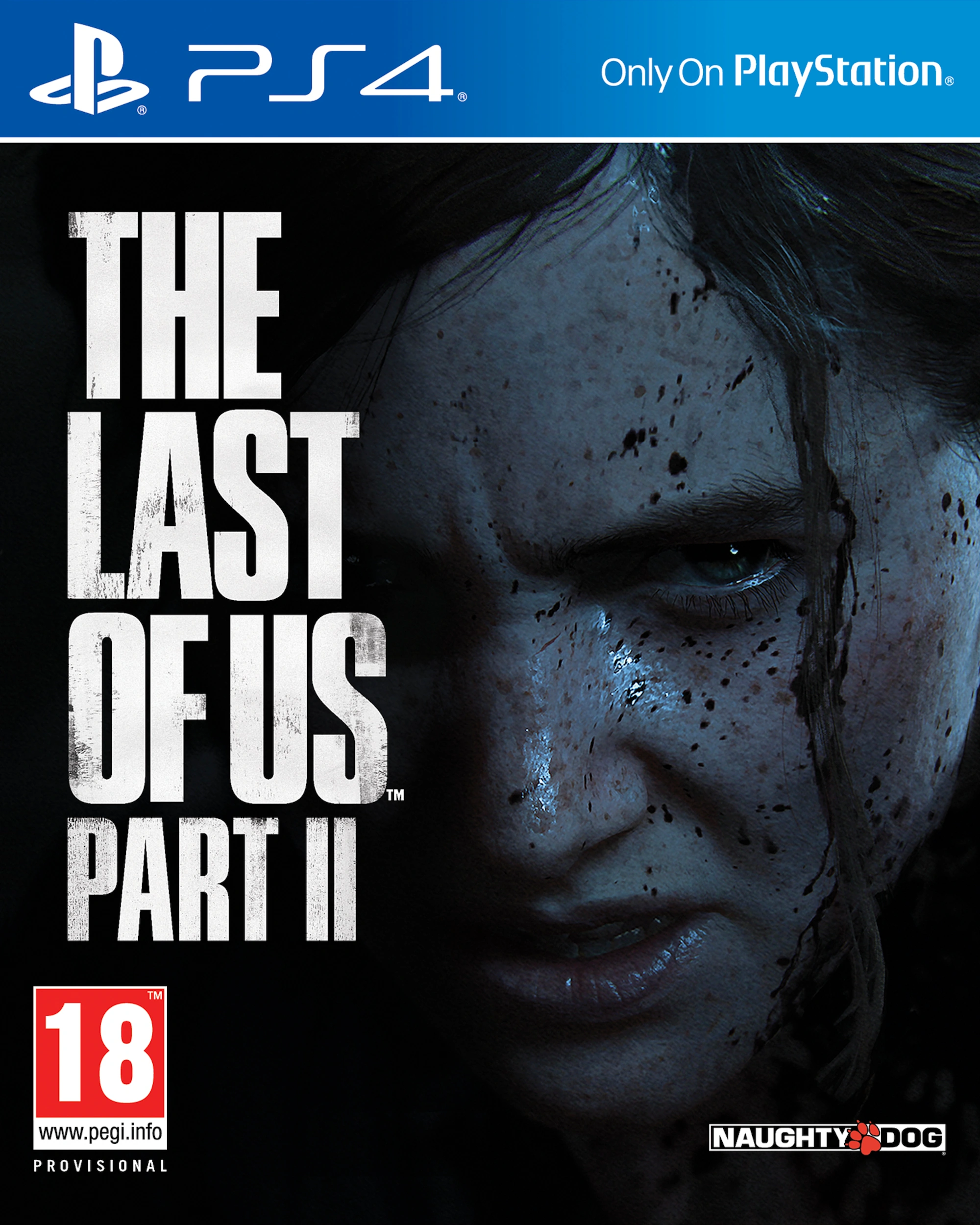
- Atypical representation of a woman
- Unconventional video game cover
Audience Negotiations:
Stuart Hall - Reception Theory
Prefered reading - the right reading of a text
Dominant reading - the audience agrees with dominant values and ideologies
Negotiated reading - the audience generally agrees but disagrees with some aspects
Oppositional reading - the audience completely disagrees with what they see
An actor will have a contract which states the minimum screen time they are supposed to have
Task 1
Differences between mainstream cinema and indie:
Themes of action in mainstream
Themes of family relationships in indie
Mainstream have a much higher budget that’s spent on making the movie as full of action as possible
Indie have a much smaller budget normally not using any special effects
The narratives are always clear in mainstream movies
Indie films normally have a more artistic narrative
Lots of editing is done in mainstream movies
Little to no editing is done in indie movies
Soundtrack in mainstream movies is always loud and dramatic to get the audience hyped for the movie
Soundtrack in indie movies is much more calm and there is a bigger focus on dialogue
Mainstream have a clear genre
Indie have an abstruse genre paradigm
Mainstream has a broad target audience
Indie has a niche target audience
Mainstream movies:
Guardians of the Galaxy 2
Mission Impossible Fallout
The Fate Of The Furious
Independent movies:
Happy End
Chevalier
Sorry We Missed You
Task 2.1
Guardians of the Galaxy 2 and Sorry We Missed You
Task 2.2
The dominant ideology in Guardians of the Galaxy is that people with flaws can still be heroes. We are told this near the beginning where a golden woman is listing negatives about them however they later say in the trailer they want to save the galaxy connoting they still want to do good despite their flaws. It also says “anyone can save the galaxy” further supporting the idea that you don’t necessarily have to be a saint to be able to save the galaxy.
In Sorry We Missed You, the trailer has a very strong message that family is important. Multiple times throughout the trailer the relationships between the family members being shown and the word “family” is repeated multiple times as well by different characters.
Task 2.3
Guardians of the Galaxy 2:
Preferred - the audience will find the action scenes cool and find the characters likable
Oppositional - the audience will think the action scenes are too violent and will not like any of the main characters
Negotiated - the audience might like most of the characters but one character they could find annoying
Sorry We Missed You
Preferred - the audience will find the indie film an artistic representation of family relationships
Oppositional - the audience will find the plot being about family to be boring
Negotiated - the audience might find the characters to be annoying but the relationships between them to be interesting
Film is a specialised institution
Film:
First film was made around 1890s
Films used to be shown in fairgrounds and music halls
Initially films were a private attraction
First kiss in film was between two naked women
Static camera
Lack of colour
Low fps
Basic story
No dialogue
Film is a standardised product on both narrative and industrial levels
Hollywood films are normally shot in warehouses
David Borwell - classical narrative cinema
Spatial continuity - the audience always know where they are
Temporal continuity - the audience always know what order the events happen, and any flashbacks will be signposted
Realistic - must not make reference to other films
The studio system - the studio assets
Conglomeration
Exhibition - how the films are presented
Convergence
Distribution - how the film is spread to the public
Regulation - the rules of making a film
Production - the process of making a film
Vertical/horizontal integration -
Digital technologies - the technology used to edit the film
A production company is a company that makes a film
A distribution company is a company that distributes a film
Digital technology is anything that involves a computer
Regulations are rules and restrictions
Conglomeration is the coming together of two companies that were separate
People moved from physical media to digital media
David Hesmondhalgh - The Cultural Industries
Horizontal integration - where one company buys another company in the same sector to reduce competition. For example, Disney buying Pixar
Vertical integration - where a company buys up other companies involved in different stages of the production and circulation
Conglomeration - a corporation that consists of a group of businesses coming together dealing in different products and services
- Producer - the company that makes a media product
- Distributor - the company that puts a media product out
- Distribution - the process where a media product ends up with an audience
- Indie has less of a focus on making money
Indie has smaller budget - less advertising, recognisable actors
Indie are made by less known companies
Indie lack a clear genre
Mainstream name of production company used a selling point
mainstream have an emphasis on famous, well known actors
Mainstream have an emphasis on well known and clearly defined genre conventions: action, fantasy, sci-fi, adventure, superhero
Mainstream heavy use of CGI
Mainstream straightforward and easy to decode narratives
Often a part of a franchise- allows the producer to target a pre-sold audience
Black Panther:
- Released 2018
- American superhero film
- Major film
- Budget is $200 million
- Cinema sales was $1.347 billion
- Worldwide
- Produced by Marvel Studios
- Distributed by Walt Disney Studios Motion Pictures
Curran and Seaton - Power and Media Industries
- media is controlled by a small number of companies primarily driven by profit and power
- Media concentration limits variety, creativity and quality
- More socially diverse patterns of ownerships can create more varied and adventurous media productions
How is Black Panther so successful?
- Use of extremely famous and well known actors
- Use of highly evocative mise en scene provides an escapist fantasy for the audience
- Exotic locations including the fantasy city of Wakanda, London, Seoul
- Highly hybridised use of genre: superhero, action, fantasy, and sci-fi
- Extensive and elaborate CGI creates a whole different world
- Powerful soundtrack, combing electronic, hip-hop, and rock
- Universally understandable themes of power
- Minimising risk and maximise profit
- Black main character
- The majority of the characters are black
- Hard boiled film - deals with life's troubles
- Allows audiences to relate to themes and the setting
- Themes of drugs and violence
- A white antagonist
- City setting
- Themes of subjugation, racism, and political corruption
- Wakanda which is a fictional country located in Africa
- Traditional African clothes
- Big emphasis on family and heritage
- 'Black saviour'
- Strong black women
- Representation of black issues like black kids being shown in the poor parts of London
- The Black Panther movement which challenged racial prejudices
- Themes of revolution
- African accents
- Production history - cost $200,000,000 to make,
- Ownership
- Directors and actors
- Critical reception
- Production and Distribution costs
- Earnings
Production History
- $200,000,000 to make
- Coogler was confirmed as director in January 2016
- Filming began early 2017
- They had planned to make more scenes out of Wakanda to represent what it's like to be African in other parts of the world
- They tried to make the film a cross between Godfather and the James Bond films
- Coogler's vision for Wakanda was inspired by the southern African country Lesotho
- He wanted Wakanda to feel like a full country with multiple distinct tribes
- Special care was taken to create a futuristic look that was not alien
- $1.37 billion earnings as of May 22nd 2018
- Opening weekend they made $197,000,000
Ownership
- Produced by Marvel Studios
- Distributed by Walt Disney Studios Motion Pictures
Columbia Pictures Tried Making Black Panther In The 1990s
directors and actors
- director - Ryan Kyle Coogle, American film director, producer, and screenwriter
- came out 12 February 2018
- main character - Chadwick Bosemen, first black actor to headline an MCU film
- actors - Michael B. Jordan, American actor and producer, known for his film roles as shooting victim Oscar Grant
- actors - Lupita Nyong'o, Kenyan-Mexican actress and author
- actors - Danai Gurira, Zimbabwean-American actress and playwright
critical reception
- African audience had an emotional response
- over 6.1 million viewers
- 97% approval rating with critics
- 79% approval rating with audience members
- response - Representation is important — on and off-screen. Black Panther is a movie that appreciates the richness and depth of both black culture in the United States and African culture
- response - Black Panther doesn't really challenge the norms and instead amplifies prejudices and stereotypes
- Marvel is a major film studio
- Disney is the distributor
- Heavy use of CGI
- Recognisable actors
- Popular genre so exposure to a wider audience
- 4,072 cinema screenings
Film Marketing
Synergy
- Official Websites - interactive, very visuals, links to social marketing
- Social Marketing
- Traditional Marketing - Trailers (teaser trailers), posters (teaser posters), billboards
- Viral Marketing Campaigns - Blair Witch
- Press Marketing - Magazine covers, synergistic relationship between films and magazines
- PR Stunts - James Bond parachuting and walking with the queen
- Fan created Marketing - websites, forums, Twitter feed, Facebook pages, fan fiction, fan made merchandise, fan made posters


Age Certificates:
- One reason we have age certificates is because someone might try to emulate the things that happen in the film
- Trauma
Age certificates meaning
Uc:
U:
- Discrimination
Discriminatory language or behaviour is unlikely to be acceptable unless clearly disapproved of
Drugs
References to illegal drugs or drug misuse must be infrequent and innocuous, or have a clear educational purpose or anti-drug message suitable for young children.
Language
Infrequent use only of very mild bad language.
Nudity
Occasional nudity, with no sexual context.
Sex
Occasional nudity, with no sexual context.
Threat and horror
Scary or potentially unsettling sequences should be mild, brief and unlikely to cause undue anxiety to young children. The outcome should be reassuring.
Violence
Violence will generally be very mild. Mild violence may be acceptable if it is justified by context (for example, comedic, animated, wholly unrealistic).
PG:
Dangerous behaviour
No detail of potentially dangerous behaviour which young children are likely to copy, if that behaviour is presented as safe or fun. No glamorisation of realistic or easily accessible weapons such as knives. No focus on anti-social behaviour which young children are likely to copy.
Discrimination
Discriminatory language or behaviour is unlikely to be acceptable unless clearly disapproved of, or in an educational or historical context, or in a particularly dated work with no likely appeal to children. Discrimination by a character with whom children can readily identify is unlikely to be acceptable.
Drugs
References to illegal drugs or drug misuse must be innocuous or carry a suitable anti-drug message.
Language
Mild bad language only. Aggressive or very frequent use of mild bad language may result in a work being passed at a higher category.
Nudity
There may be nudity with no sexual context.
Sex
Sexual activity may be implied, but should be discreet and infrequent. Mild sex references and innuendo only.
Threat and horror
Frightening sequences or situations where characters are in danger should not be prolonged or intense. Fantasy settings and comedy may be mitigating factors.
Violence
Violence will usually be mild. However there may be moderate violence, without detail, if justified by its context (for example, history, comedy or fantasy).
12/12A:
Films classified 12A and video works classified 12 contain material that is not generally suitable for children aged under 12. No one younger than 12 may see a 12A film in a cinema unless accompanied by an adult. Adults planning to take a child under 12 to view a 12A film should consider whether the film is suitable for that child. To help them decide, we recommend that they check the Ratings Info for that film in advance. No one younger than 12 may rent or buy a 12 rated video work.
Dangerous behaviour
No promotion of potentially dangerous behaviour which children are likely to copy. No glamorisation of realistic or easily accessible weapons such as knives. No endorsement of anti-social behaviour.
Discrimination
Discriminatory language or behaviour must not be endorsed by the work as a whole. Aggressive discriminatory language or behaviour is unlikely to be acceptable unless clearly condemned.
Drugs
Misuse of drugs must be infrequent and should not be glamorised or give detailed instruction.
Language
There may be moderate bad language. Strong language may be permitted, depending on the manner in which it is used, who is using the language, its frequency within the work as a whole and any special contextual justification.
Nudity
There may be nudity, but in a sexual context it must be brief and discreet.
Sex
Sexual activity may be briefly and discreetly portrayed. Moderate sex references are permitted, but frequent crude references are unlikely to be acceptable.
Threat and horror
There may be moderate physical and psychological threat and horror sequences. Although some scenes may be disturbing, the overall tone should not be. Horror sequences should not be frequent or sustained.
Violence
There may be moderate violence but it should not dwell on detail. There should be no emphasis on injuries or blood, but occasional gory moments may be permitted if justified by the context.
15:
No one younger than 15 may see a 15 film in a cinema. No one younger than 15 may rent or buy a 15 rated video work.
Dangerous behaviour
Dangerous behaviour (for example, suicide, self-harming and asphyxiation) should not dwell on detail which could be copied. Whether the depiction of easily accessible weapons is acceptable will depend on factors such as realism, context and setting.
Discrimination
The work as a whole must not endorse discriminatory language or behaviour, although there may be racist, homophobic or other discriminatory themes and language.
Drugs
Drug taking may be shown but the work as a whole must not promote or encourage drug misuse (for example, through detailed instruction). The misuse of easily accessible and highly dangerous substances (for example, aerosols or solvents) is unlikely to be acceptable.
Language
There may be strong language. Very strong language may be permitted, depending on the manner in which it is used, who is using the language, its frequency within the work as a whole and any special contextual justification.
Nudity
There are no constraints on nudity in a non-sexual or educational context. Sexual nudity may be permitted but strong detail is likely to be brief or presented in a comic context.
Sex
Sexual activity may be portrayed, but usually without strong detail. There may be strong verbal references to sexual behaviour. Repeated very strong references, particularly those using pornographic language, are unlikely to be acceptable. Works whose primary purpose is sexual arousal are unacceptable.
Sexual Violence and sexual threat
There may be strong verbal references to sexual violence but any depiction of the stronger forms of sexual violence, including rape, must not be detailed or prolonged. A strong and sustained focus on sexual threat is unacceptable.
Threat and horror
There may be strong threat and horror. A sustained focus on sadistic threat is unlikely to be acceptable.
Violence
Violence may be strong but should not dwell on the infliction of pain or injury. The strongest gory images are unlikely to be acceptable. Strong sadistic violence is also unlikely to be acceptable.
18:
No one younger than 18 may see an 18 film in a cinema. No one younger than 18 may rent or buy an 18 rated video work. Adults should be free to choose their own entertainment.
Exceptions are most likely in the following areas:
where the material is in breach of the criminal law, or has been created through the commission of a criminal offence
where material or treatment appears to us to risk harm to individuals or, through their behaviour, to society. For example, the detailed portrayal of violent or dangerous acts, or of illegal drug use, which may cause harm to public health or morals. This may include portrayals of sadistic violence, rape or other non-consensual sexually violent behaviour which make this violence look appealing; reinforce the suggestion that victims enjoy rape or other non-consensual sexually violent behaviour; or which invite viewer complicity in rape, other non-consensual sexually violent behaviour or other harmful violent activities
where there are more explicit images of sexual activity in the context of a sex work (see right) In the case of video works, which may be more accessible to younger viewers, intervention may be more frequent than for cinema films.
Sex works at 18
Adults should be free to choose their own entertainment. Exceptions are most likely in the following areas:
Sex works are works whose primary purpose is sexual arousal or stimulation. Sex works containing only material which may be simulated are generally passed 18. Sex works containing clear images of real sex, strong fetish material, sexually explicit animated images, or other very strong sexual images will be confined to the R18 category. Material which is unacceptable in a sex work at R18 is also unacceptable in a sex work at 18.
R18:
- digital technologies/ digitally convergent technologies
Sonia Livingstone and Peter Hunt - Regulation
I, Daniel Blake (Loach, 2016)
What issues affect our society?
Racism
Poverty
Homophobia
Climate change
Police brutality
Films don’t want to address these issues since it is harder to sell these films. They would be too political and controversial. People also use media as a form of diversion.
The Social Realist Genre
In these films, they explore issues that affect the most vulnerable in our society
They are typically set in North England
Depict working class people as heroic
Appeals to a niche and fragmented audience
Anti establishment
Rebellion against authority
Include abuse
Deprivation in the working class
Anti British - attack the government and capitalism in general
Kes (1969)
A trouble making kid
Has problems at school and at home
Northern accents
Hints that something may be up with Casper
Strict school
Casper’s only form of escapism is his bird called Kes
The Selfish Giant (2013)
Kid gets excluded from school presumably for bad behaviour
Northern accent
Has a horse which he has a strong bond with
The kid does child labour for money
The labour involves pretty dangerous jobs for a kid
This is England (2006)
Kid gets bullied at school
Makes friends with a group of skinheads
Finds a group which he can relate to
Gets into all kinds of trouble
Northern accents
Deals with the issue of the unemployed
What makes the film an independent film?
What genre is it?
What specific issues does it focus on?
In what ways are working class people shown to be heroic?
I, Daniel Blake (2016)
The trailer focuses more on the story rather than showing flashy scenes
The trailer doesn’t really focus on promoting any of the actors
It has themes of rebellion since it shows Daniel doing graffiti in protest to how the job system works
It focuses on unemployment issues
It also focuses on how people with medical conditions aren’t really cared for, his doctor deemed him unfit for work but he has to continue working to receive benefits
Daniel is shown to be heroic since he is shown standing up to the government essentially
Talks about “non existent jobs” probably referring to shortage of jobs that accept someone with a medical condition or shortage of jobs in general
Issues of single parents having to provide for their kids but struggling to
Explain the ways in which social and political contexts may influence independent films. Refer to I, Daniel Blake to support your points
Dichotomy - same as opposites
Capitalism - an economic and political system in which a country’s trade and industry are controlled by private owners for profit, rather than by the state
I, Daniel Blake Facts
Estimated to be around £2 million budget
15.8 million USD box office
Earned £445,000 in the opening weekend
94 cinema screenings
The production companies are eOne Films, Why Not Productions, BBC Films, and Wild Bunch
It was distributed by BFI in the UK and Le Pacte in France
Directed by Ken Loach who also directed Sorry We Missed You, The Wind That Shakes The Barley, and Kes
Stars Hayley Squires (The Miniaturist, In Fabric)
Stars Dave Johns (23 Walks, Fisherman’s friends)
Stars Sharon Percy (The Song of Names, School for Seduction)
Stars Briana Shann
Stars Dylan Mckiernan
Stars Kate Rutter (Cotton Wool, The Full Monty)
Stars Kema Sikazwe (Lady Macbeth)
Got rated 92% critically on Rotten Tomatoes
Rated 7.9/10 on IMDb
Rated 78% on Metacritic
Audience scored it 85% on Rotten Tomatoes
Lots of positive user reviews on IMDb
Funded by BFI and BBC
Won multiple awards - Palme d’or, Prix du Public UBS, and more
Black Panther Scene:
The dominant ideology of the scene is that Black Panther treats his people equally
The scene includes a superhero getting an upgraded suit
It also includes the superhero testing out new gadgets
The target audience is Americans and we know this because in the scene, Shuri refers to the noiseless shoes as “sneakers” which is the american term for trainers
It also targets a young teenage audience since it uses the “what are thoseeeeee?” joke
This clip also appeals to an African audience since it represents Wakanda in this scene which is set in Africa
Dominant ideology is that black people are powerful and other cultures can be technologically advanced
I, Daniel Blake Scene:
The dominant ideology is that working class people aren’t treated right despite what they might be going through
It shows a single mother getting told off for being late even though she only just moved to Newcastle
Woman tries to explain she has to get the process done today since her kids start school tomorrow
The target audience is British people since
Job seekers are misunderstood
Black Panther Age Rating: 12
A fantastical mind-altering potion is drunk during a ceremonial ritual
One brief scene of a man and a woman kissing.
Non-sexual shirtless scenes.
A man and a woman make out briefly in a van. The man pushes the woman towards him before one of the assistants posing as a medic shuts the door.
A weapon's dealer stores a phallic shaped piece of metal in his fly. When removing it, it looks as if he could be exposing himself. Very brief, played for comedy.
There are battles with swords, spears, guns and fantastical weapons.
The violence in Black Panther is slightly more intense and realistic than other MCU films. Characters are impaled and slashed with spears and swords, the blood and wounds not always focused on by the camera.
A man is stabbed in the chest, another the same, another stabbed in the abdomen.
A man is cut numerous times during a fight
A large battle/civil war takes place with friends fighting each other. No clear if anyone actually dies, though bodies are thrown, trampled, stabbed, etc.
Security guards are shot, some at point blank range, another shot in the back unexpectedly
Two main characters are shot, one at point blank range (offscreen). Bullet wounds are shown (though not much blood)
During a comical scene, one character gives someone the middle-finger.
Although not actually in the film, the movie's soundtrack is explicit.
A few uses of the word "shit."
Some uses of "damn" and "hell," but generally speaking, the amount of profanity is low.
1 use of "For bast's sake", Bast is one of the Wakandan gods.
A scene takes place in a bar.
A character ask for whiskey
A man is thrown off a cliff to the horror of onlookers.
In the final battle, Black Panther stabs Killmonger. Killmonger laters pulls out the weapon, killing him.
Several main characters either die or almost die. Some in either dramatic or prolonged fashion.
Many intense battle scenes, showing many people being stabbed by spears.
In a flashback, Black Panther's father gets killed in an explosion of a building.
T'Challa almost dies by getting thrown down a waterfall.
I, Daniel Blake Age Rating: 15
There is infrequent use of very strong language ('cunt'), as well as more frequent use of strong language ('fuck'). Milder terms include 'bastard', 'bullshit, 'wanker', and 'twats'
Other issues include visual and verbal references to prostitution
There are two notable scenes of emotional intensity. They include 'the food bank' scene and the ending 'funeral' scene
Set Texts
Daily Mirror and The Times
when people say the media they normally refer to the news, the media can manipulate us to believe the things they want you to believe
institution - the values and ideology of a media production
Long Road Website:
Lexis of "congratulations" connotes success
layout is neat and tidy, connotes professionalism
bright and inviting colours, connotes diversity
the logo which consists of arrows connotes there is a path for everyone
We need institutions to have differentiation, easier to make a choice, competition, identification, ideology
Shell
the actual logo is a shell which symbolises nature and natural places
looks like a sunset
basic colours - red and yellow
conglomerate
rich and bright colours symbolise wealth
the lines represent everyone coming together
Starbucks
green connotes eco friendly and natural
simplistic and straightforward
looks like a princess which connotes royalty
mermaid denoted which connotes that the brand is imaginative
A circle within a circle connotes a inner depth
the smile is welcoming
the long hair and stereotypical ideal female body
Every newspaper in the UK is politically bias
Masthead - title of newspaper
front page - is the front page of newspaper
Broadsheets - formal target a middle class audience
Tabloids - informal targeting a working class audience

Point of view and ideology
Codes and conventions of news products/newspapers/type of newspaper
Layout and design
Composition – positioning of headlines, images, columns, combination of stories
Images/photographs - camera shot type, angle, focus
Font size, type of font (e.g. serif/sans serif)
Mise-en-scène – colour, lighting, location, costume/dress, hair/make-up
Graphics, logos
Language – headline, sub-headings, captions
Copy
Anchorage of images and text
Elements of narrative
Headline "No Jab No Entry" is dramatic to catch attention - spins a story
Entertaining and informal mode of address
Font is sans serif which indicates a working class target audience
There are more images than there is copy (image dominated)
The font is large
Informal slang use "corrie"
Has a dominant ideology
Targeting an older audience with coronation street
Digital convergence of there being a website - multiple media coming together thanks to technology
Left side rule - more important information being on the left side since you read left to right
The red, blue, and white are very patriotic colours
Refers to Sir Philip as Sir Greedy which is very informal
narrativization - narratives being created (heroes and villains)
bias against the conservative party
games are included in the newspaper
story of pub being relatable to the working class

The target audience will of course be aware of the symbolic connotation of the orange outfit Rooney is wearing that he is in trouble since he is dressed like a convict going to prison
Newsworthiness - what is worthy to be in the news
"if it bleeds it leads" - stories involving suffering are much more news worthy
news values - the values or ideology a newspaper might have
Intertextuality means the same thing as referential code

"Enders Hayley glassed by thug" referencing an Eastenders star, assuming the target watches Eastenders
Advertising gambling with a £1 for shop bet with Ladbrokes (betting shop), assuming that the audience is gambling working class
Brexit being sandwiched between two gambling adverts is suggesting that Brexit is a gamble
The front page is bias against Theresa May
Daily mirror is a left wing tabloid
The lexis of "mayhem" is indicating that she isn't doing a good job, bias choice of words
Unflattering image of Theresa May, looking confused like she doesn't know what she is doing, looks a bit sinister
Right next to her face there is the word "Mayhem", anchorage
Her outfit is red which is the colour of death and aggression
Her image being smaller connotes that she can't handle things
The shadow on her face makes her look sinister like a villain from movies
lexis of "mayhem, surrenders, massive defeats, chaos" sound like a war movie
"Fighting for you" is reinforcing the idea that the Daily Mirror fights for us
Left Wing Ideology:
Equality
Belief in the government regulation
The power of the government
Collectivism
Right Wing Ideology:
Hierarchy
Free market
The rights of the individual
Individualism
Ideology in newspapers - those in power use their power to distort meaning
can also be used to normalise dominant ideas of the ruling class
Why would a newspaper wish to manipulate the ideology of its target audience?
Supporting a specific ideology will bring a specific audience
Creating an audience
Allows audiences to express their opinion
To persuade audiences to vote for a particular party
To shape political outcomes
Government and other ruling class figures will support the newspaper
Karl Marx - Marxism
The ruling class use media to manipulate the working class
The rich stay rich, the poor stay poor
Hegemonic control - prevents people from rebelling
False Consciousness - fake reality constructed by the ruling class through media
Tabloid VS Broadsheet
Broadsheet has more hard news
Broadsheets are more formal
Broadsheets are bigger
Serif font use in broadsheet
Less gossip based news in broadsheets
Copy over images in broadsheets
Broadsheets targeting middle class
Broadsheets has more fancy home adverts rather than gambling
Broadsheets aim at a knowledgeable audience
Broadsheets have a plain layout
Serious headlines in broadsheets
Longer articles in broadsheets
Tabloid has “popular press”
Anchorage - fixing a particular meaning to a media text, often through captions
Bias - favouring a particular point of view over another
Agenda - attempting to accomplish something through bias
The Sun cover
Childish mode of address calling him a chicken
Bias headline
“Cluck” clear reference to the F bomb
Lexis of chaos and cowardly
Can representations construct reality?

This is a subtle representation
The Times is centre right
Image taken with zoomed lens
She is represented looking tired and being pushed to despair
Lexis of “despair” connotes she is dishevelled
She is being constructed as the victim
The preferred reading is that we are supposed to feel sympathy for her
She looks on the brink of tears because she can’t hold back tears
This is a stereotypical representation of a weak and vulnerable woman
She is also being denoted as a damsel in distress
Lexical field of war
The low key light has symbolic connotations of depression and defeat
The caption of “heavy defeat” anchors that she lost badly
The vote results are positioned next to her face
The image is an invasion of her privacy
Makeup smudged connoting that she could’ve been crying
The skyline on the newspaper makes it clear that it is targeting a middle class audience, the words “spring wardrobe” suggest that the audience can afford a wardrobe specifically for spring time
Representations construct reality

The red jacket she is wearing connotes danger
Lexis of shambles connotes her being a mess
Mise en scene of her hands looks like she is surrendering however also looking like she is trying to de escalate the situation
The conservatives look stressed visually
The front page is deliberately bias to sell the newspaper
The copy is surprisingly sophisticated
Talking to a diverse audience, use of words “shambles” which is quite colloquial
It’s blaming Theresa for the shambles
The readers of the Mail are assumed to be quite high up the social scale
The headline “a faller at 2nd” is a metaphor for horse racing
This double page has a double mode of address
On the left the double page have a sidebar
A sketch is a jokey way of telling the news: “Gandalf” which is a Lord of the Rings reference which is also an example of intertextuality
There is another reference to horse racing at the bottom with the odds
We get an opinion from Kevin McGuire who uses the word “dud” (calling May a mess) and “kamikaze” (calling her a suicide bomber basicallly)
A pull quote in a red text box which summarises the whole story
1. Who won Love Island 2020?
Amber 0
2. What’s the name of the man who cheated in Who Wants to Be a Millionaire?, the scandal that was turned into an ITV drama called Quiz in 2020?
0
3. Which anniversary did Coronation Street celebrate this year?
60th 1
4. When did Barbara Windsor make her last appearance as Peggy Mitchell in Eastenders?
0
5. Who is the Tiger King whose life and dramas at his private zoo were documented in the Netflix series of the same name?
Joe Exotic 1
6. What was the name of the BBC telethon organised during lockdown in April?
0
7. The English Game was a Netflix drama about the origins of which sport?
Rugby 0
8. Who replaced Sandi Toksvig as a present on the Great British Bake Off?
Matt Lucas 1
9. What was the name of the TV show which saw celebrities perform while disguised as various animals?
0
10. Which castle was I’m A Celebrity filmed in?
0
1. What’s the name of Elon Musk and Grimes’ baby born in 2020?
X AE A12 1
2. Bobby Ball was part of which legendary comedy double act?
0
3. What big birthday did Kim Kardashian celebrate in 2020?
40 years old 1
4. Jesy Nelson left Little Mix in December. Which year did they win the X-Factor?
2012 0
5. What’s the name of Richard Osman’s debut novel?
6. How did Joe Wicks raise £1.5million for Children in Need?
Live workouts 1
7. Which TV programme did Louis Tomlinson vow never to go back on?
8. Which actor lost a libel battle against News Group Newspapers over an article published in The Sun which branded him a "wife beater"?
Johnny Depp 1
9. Which Love Island couple split in March saying they couldn’t make it work?
10. To the nearest thousand, how many votes did Kanye West receive in this year’s US Election?
60 thousand 1
The government routinely feeds information to sympathetic sources
The picture of Donald Trump is his daughter are both re conforming to hegemonic gender norms and stereotypes
Trump Mob Newspapers


The headlining story is the Trump supporter mob breaking into the US capitol for the Times
The choice of lexis “mob” demonstrates what the newspaper thinks of their actions
The Times main image of the men in the suits with the guns are not Trump supporters
The Times is also saying America is chaotic and important by giving it page number bias
The word “siege” connotes war, battle, and violence
The headlining story for the Daily Mirror is about the covid vaccine
The Daily Mirror focuses on the UK instead of the US
The Daily Mirror chose to “if it bleeds it leads” approach
The Mirror is choosing to appeal to its’ british working class audience by making the main headline about covid
Feminist Theory:
Hegemonically attractive - attractive by society’s standards
Hegemonically unattractive - unattractive by society’s standards
All media products are aimed at heterosexual men
Women’s bodies are used as a spectacle
The Mail Online is the online version of the Daily Mail, it is the most viewed online news website in the world
The Don’t Miss column is what gets the website so many clicks, aka sidebar of shame
The daily mail reinforces a hegemonic norm about how women are supposed to look
Back to reality! Zara McDermott flaunts her figure in tight sportswear after being caught flouting Tier 4 travel rules and editing images
Young women
The newspaper uses the word “toned” frequently and continually draws attention to Zara’s body. The images used are taken from her instagram and they chose the ones where her curves are prominent. This constructs her to be admired by the audience and perhaps even envy her look
The message is that her athletic body looks good and that she is breaking tier 4
This objectifies women since the newspaper encourages to gaze at their bodies which also has elements of sexualisation as well. It also creates the idea that you’re supposed to look like her


No comments:
Post a Comment